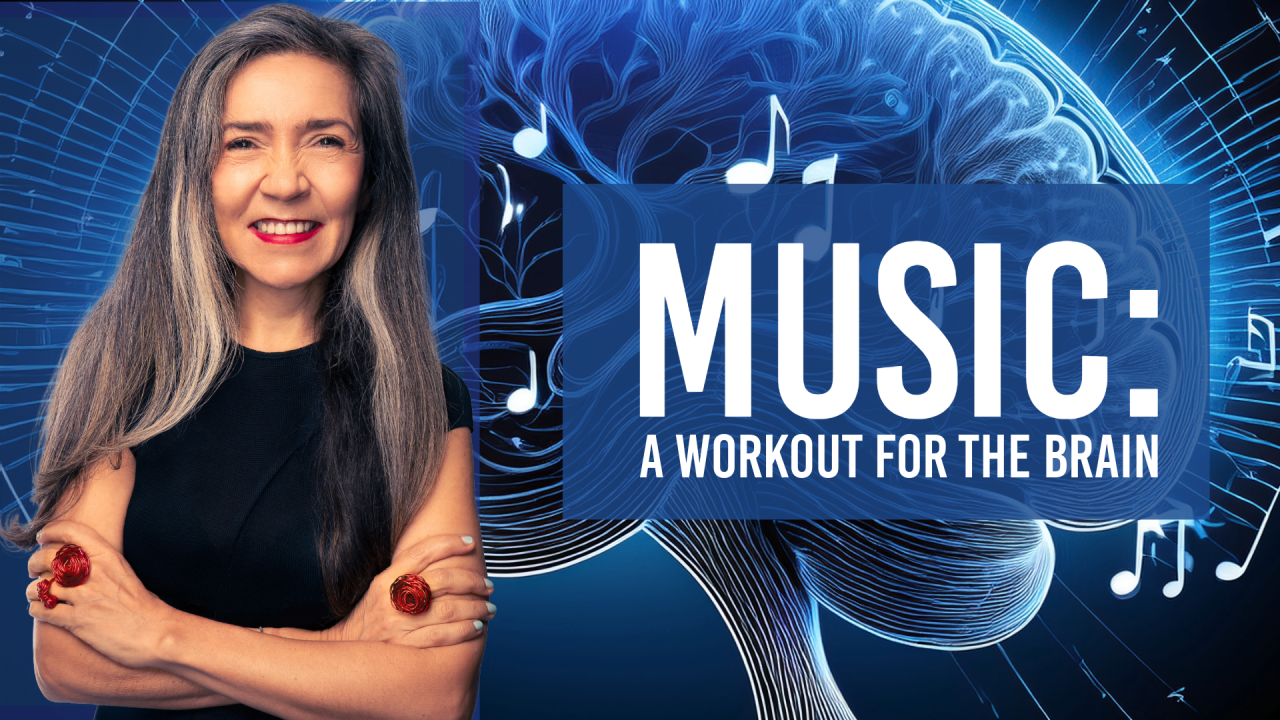
Music and the Brain: Why Musical Training Protects Cognitive Health
Musical training is one of the most powerful tools for brain health. Neuroscience shows that singing or playing an instrument activates multiple brain systems at once, strengthening attention, memory, and emotional regulation. Studies confirm that musicians have faster problem-solving abilities and greater cognitive resilience, and musical practice even protects against age-related decline. As populations age in the United States and Europe, integrating music into daily life becomes essential for long-term brain health. Music is not only art—it is a proven strategy for cognitive well-being across the lifespan.

How Music Builds Community and Confidence During the Holiday Season
Music becomes a powerful biological connector during the holiday season. When people sing, play, or listen together, their breathing, heart rate, and brain activity naturally synchronize—a process known as rhythmic entrainment. This shared rhythm increases oxytocin, dopamine, and endorphins, which strengthen social bonds, reduce stress, and boost confidence. Group music-making also supports emotional regulation, deeper breathing, and a sense of stability. Holiday gatherings turn into rituals of connection, helping communities feel aligned and supported. These ideas are explored in We Are What We Listen To, a book that examines how music shapes emotional and social health.